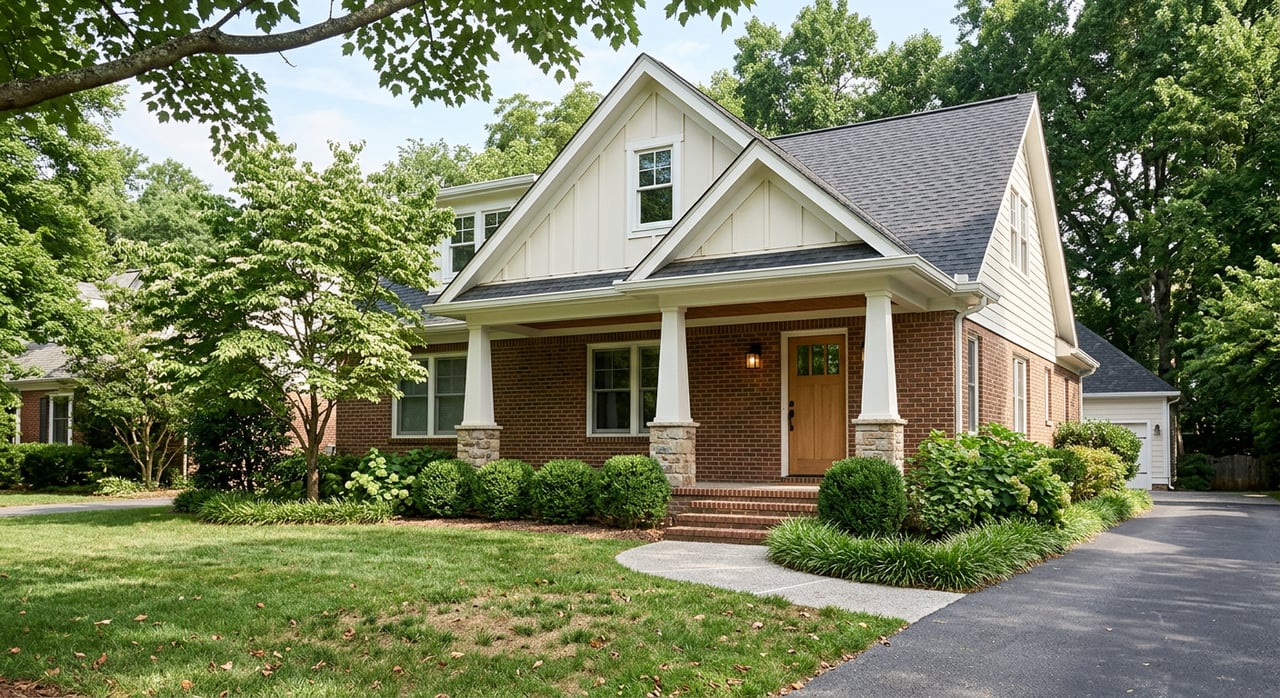
Buying your first home in Conover can feel exciting and a little overwhelming. You want a solid house, a fair price, and a location that fits your daily life. This guide walks you through the Conover areas that tend to work best for first-time buyers, what to expect for home age and lot size, how the market compares to nearby cities, and simple steps to finance your purchase with confidence. Let’s dive in.
Quick feel for the 28613 market
If you price-shop on national portals, you will see different medians for Conover. Recent snapshots often land in a broad band from about $270,000 to about $350,000, depending on the data source and whether it is reporting list price, sold price, or an automated value. Inventory is modest, usually dozens of active listings, and small markets like Conover can flip between buyer and seller pressure quickly. If you are serious about buying, ask for a same-day MLS check before you set your budget.
Best Conover areas for first-time buyers
St. Stephens area and 30th Street NE
This northeast Conover corridor is a go-to for buyers who want newer homes and low maintenance. You will find active new-build communities and late 1990s to 2000s resales with common floor plans sized roughly 1,400 to 2,200 square feet. Subdivision lots tend to run about 0.15 to 0.30 acre, which helps keep yard work simple. Many streets sit near I-40, US 70, and NC 16, so commutes across the region stay straightforward. For context on the area’s highway network, review the regional transportation overview from the Western Piedmont Council of Governments. You can scan their summary of I-40, US 70, and NC 16 access in the regional transportation brief.
What to weigh here:
- Pros: modern systems, energy-efficient builds, easy financing options.
- Cons: some communities have HOAs and newer landscaping that takes time to mature.
Downtown Conover and the Bolick Historic District
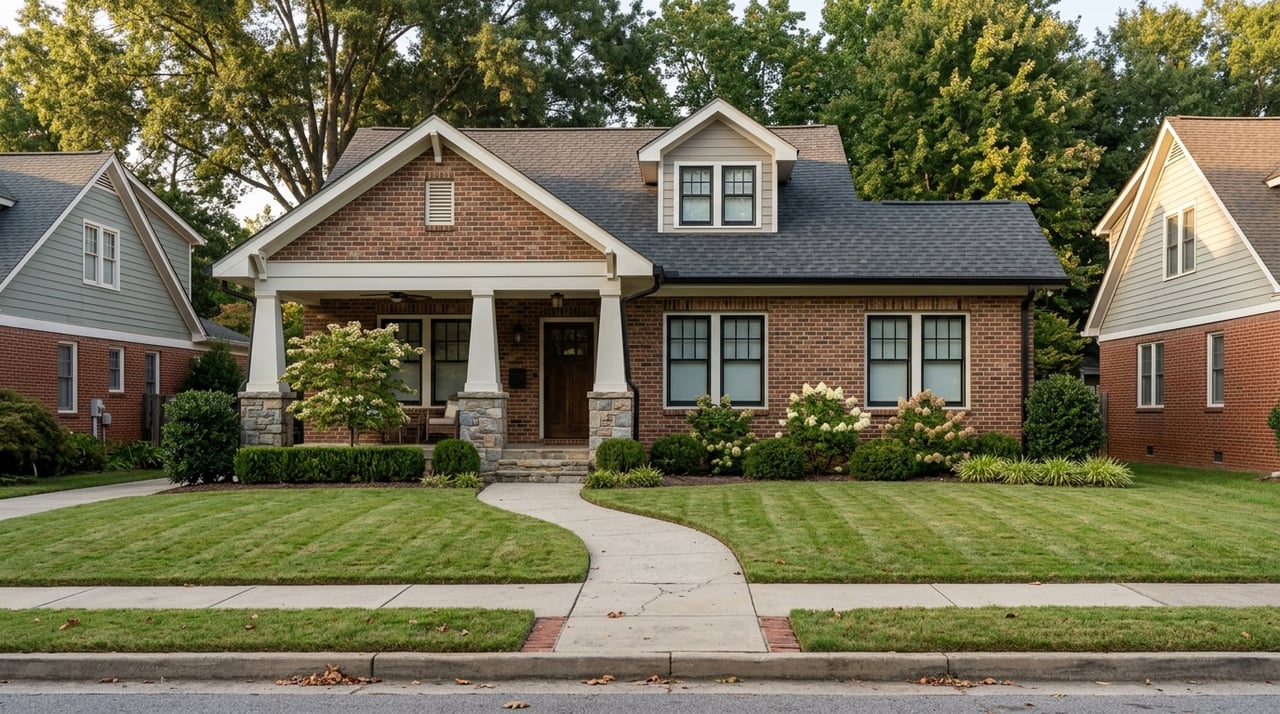
If you like walkable blocks and older homes with character, central Conover is worth a look. The Bolick Historic District offers early 20th century bungalows and modest Craftsman or ranch conversions on smaller lots, often about 0.10 to 0.25 acre. You are close to parks, shops, and services, which keeps daily errands simple. Learn more about the district’s historic designation from the North Carolina Historic Preservation Office.
What to weigh here:
- Pros: walkability, established trees, and architectural character.
- Cons: older systems are common, and some blocks have limited off-street parking. A thorough inspection is essential.
Cline Village and the Lyle Creek corridor
These practical neighborhoods place you near the Lyle Creek Greenway, local parks, and nearby public schools. Homes often date from the 1980s through the 2000s, with lots commonly around 0.15 to 0.40 acre. If you value quick access to green space and consistent neighborhood patterns, this area fits the bill. You can see references to local parks and the Lyle Creek Greenway in this Catawba County family guide.
What to weigh here:
- Pros: proximity to the greenway and schools, stable neighborhood feel.
- Cons: fewer brand-new builds than the St. Stephens side of town.
County Home Road and southern outskirts
If you want space, privacy, or a workshop, look south toward County Home Road and nearby rural pockets. Parcels here can stretch from about 1 acre to 6 acres or more. The tradeoff is a longer drive to downtown amenities and potential well and septic maintenance. This area suits buyers who want elbow room and do not mind a little extra drive time.
What to expect: age, lots, HOAs, and upkeep
Conover’s housing stock is mixed. You will see many pre-1980 homes near the center of town, plus new-construction pockets led by active builders in recent years. In subdivisions near schools, lot sizes commonly range from about 0.15 to 0.40 acre. On the rural edges, expect larger parcels that can exceed 6 acres.
Many newer subdivisions have modest HOA fees that typically cover common-area upkeep. Always verify the HOA’s current fee and rules before you write an offer. For rural properties, budget time to confirm well and septic status and plan for ongoing maintenance.
Property taxes and insurance vary by property, features, and location inside the city or county. For a general community snapshot, you can review Conover’s profile on City-Data, then confirm the current tax picture for a specific address before you finalize your budget.
Conover vs. Hickory vs. Newton
- Price bands: Using national data providers as a reference point, Conover commonly shows in the low to mid 300s for medians, with Hickory and Newton often appearing slightly lower or similar depending on the snapshot and boundary used. Present these as ranges to stay accurate: Conover roughly $270k to $350k, Hickory roughly $250k to $320k, Newton roughly $260k to $310k. Always use the same provider for apples-to-apples comparisons.
- Commutes: Conover sits just east of Hickory and next to Newton. Typical drives to downtown Hickory run about 10 to 20 minutes in normal traffic, and Newton is only a few minutes away. For a quick point-to-point estimate, you can reference drive distance tools, then confirm with a live map during your target commute time.
- Tradeoffs: Conover offers more rural or large-lot options and quick interstate access. Hickory has larger downtown amenities and restaurant variety. Newton shares similar retail patterns with Conover. Your choice depends on whether you value lot size and easy highway access or a denser amenity set.
How first-time buyers can build equity here
- Transportation and jobs: The region’s access to I-40, US 70, and NC 16, paired with a diversified job base across manufacturing, telecommunications, and healthcare, supports housing demand over time. For an overview of these corridors and their role in the regional network, see the Western Piedmont Council of Governments transportation summary.
- New construction and infill: Active subdivisions create comparable sales that help appraisals for nearby resales. If you prefer move-in ready homes, these areas can make budgeting more predictable.
- Renovation upside: Older homes near downtown and in historic pockets can be bought below new-build pricing and renovated for value. Success depends on realistic contractor bids and nearby sold comps, so align your plans with recent sales.
Small markets can be volatile. Use current MLS data for pricing and days on market, then keep your offer strategy flexible.
First-time financing, loan types, and assistance
North Carolina supports first-time buyers through the North Carolina Housing Finance Agency. The NC Home Advantage Mortgage program and related down payment assistance options can include deferred or forgivable second mortgages tied to the first loan. Program details change, so review current rules before you quote numbers. You can learn how the programs operate in this NCHFA program evaluation.
Other common low down payment options:
- FHA: government-backed with a low minimum down payment.
- VA: often zero down for eligible veterans and service members.
- USDA: zero down for eligible rural properties. Always check parcel-level eligibility and lender overlays before you count on it. For a plain-English overview of these loan types, see this guide to low down payment mortgages.
How to shop assistance with confidence:
- Get pre-approved with a lender that actively originates NCHFA loans.
- Ask your lender for a written comparison of monthly costs with and without down payment assistance.
- Verify your target address for USDA eligibility if you are considering rural options.
A smart first-time buyer checklist
Use this quick list to stay organized:
- Get pre-approved and set a clear budget range that matches current Conover comps.
- Map your daily routes. Confirm I-40, US 70, and NC 16 access from the neighborhoods you like. Use a live map during your actual commute time.
- Verify school assignments for any specific address using the Newton-Conover City Schools site. School zones change, so check before you offer.
- Review HOA documents, fees, and rules if you are eyeing a subdivision home.
- Order a full home inspection and budget for common items in older homes, including HVAC, electrical, roof, and foundation checks.
- For rural parcels, confirm well and septic permits, age, and maintenance status.
- Check flood zone status and any easements that may affect how you use the property.
- Explore NCHFA down payment assistance and compare it to FHA, VA, or USDA options with your lender.
Ready to tour the right Conover areas?
Your first home should fit your life today and set you up for tomorrow. If you want help narrowing your search to the streets that match your budget, commute, and wish list, reach out for local guidance and a same-day MLS snapshot. Schedule a free consultation with Hernan Espiritu to get started.
FAQs
What is a realistic starter-home price in Conover’s 28613 ZIP?
- Many recent market snapshots show medians landing roughly between $270,000 and $350,000, so plan your budget in that band and verify with a same-day MLS check.
Which Conover neighborhoods often have new construction?
- The St. Stephens and 30th Street NE corridor frequently features new-build subdivisions with smaller to medium lots and modern systems.
Is downtown Conover a good fit if I want walkability?
- Yes, central Conover and the Bolick Historic District offer smaller-lot homes near parks and services, but expect older systems and plan for inspections.
How long is the commute from Conover to Hickory or Newton?
- Typical drives to downtown Hickory run about 10 to 20 minutes in normal traffic, and Newton is only a few minutes away, but always confirm with a live map for your hours.
Can USDA loans work for homes around County Home Road?
- Some rural parcels may qualify, but USDA eligibility is parcel-specific and subject to lender rules, so check each address before you rely on it.
What lot sizes should I expect in Conover?
- Subdivision lots near schools often run about 0.15 to 0.40 acre, while rural outskirts can offer 1 to 6 acres or more.
Are HOAs common in Conover’s starter-home neighborhoods?
- Many newer subdivisions have modest HOAs that cover common areas, so confirm current fees and rules before you make an offer.