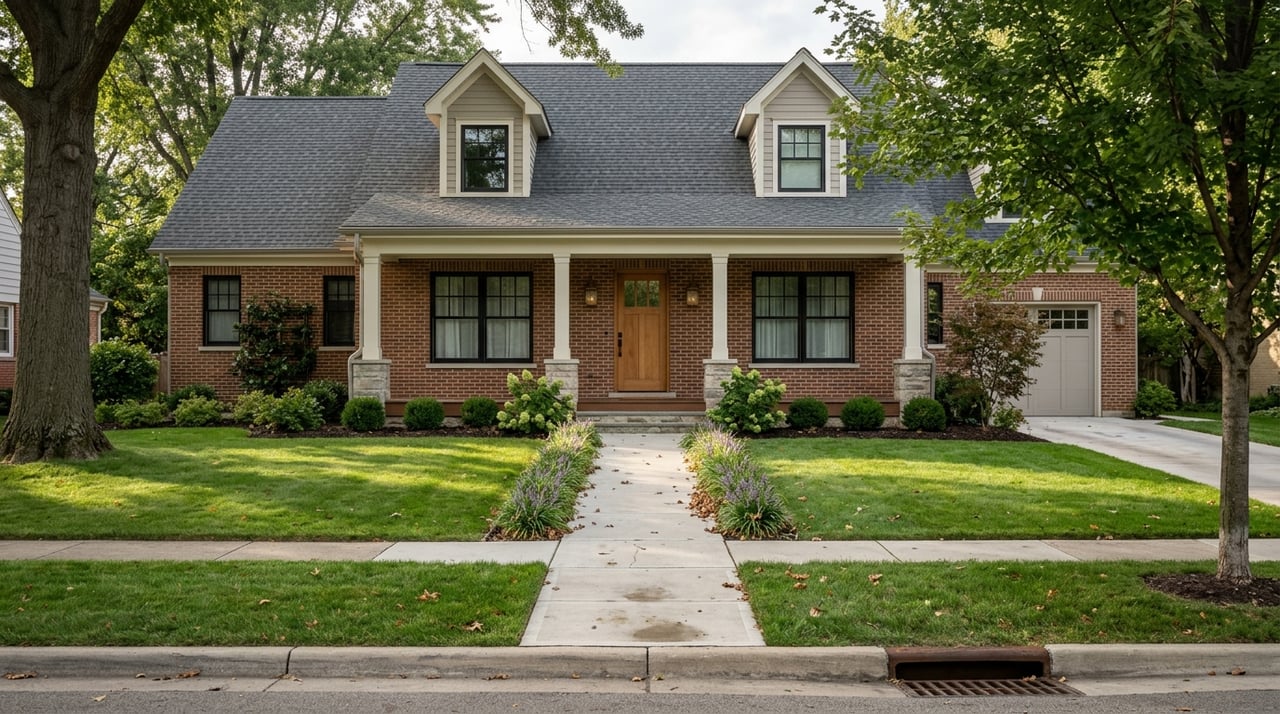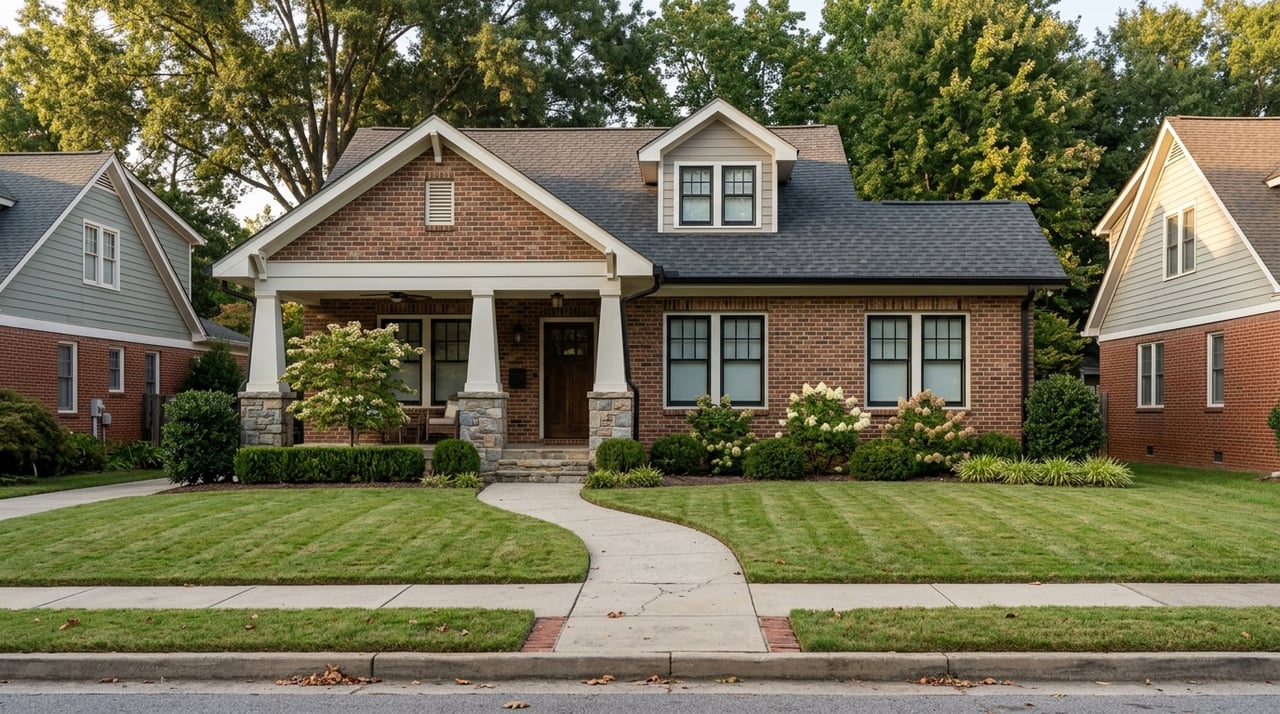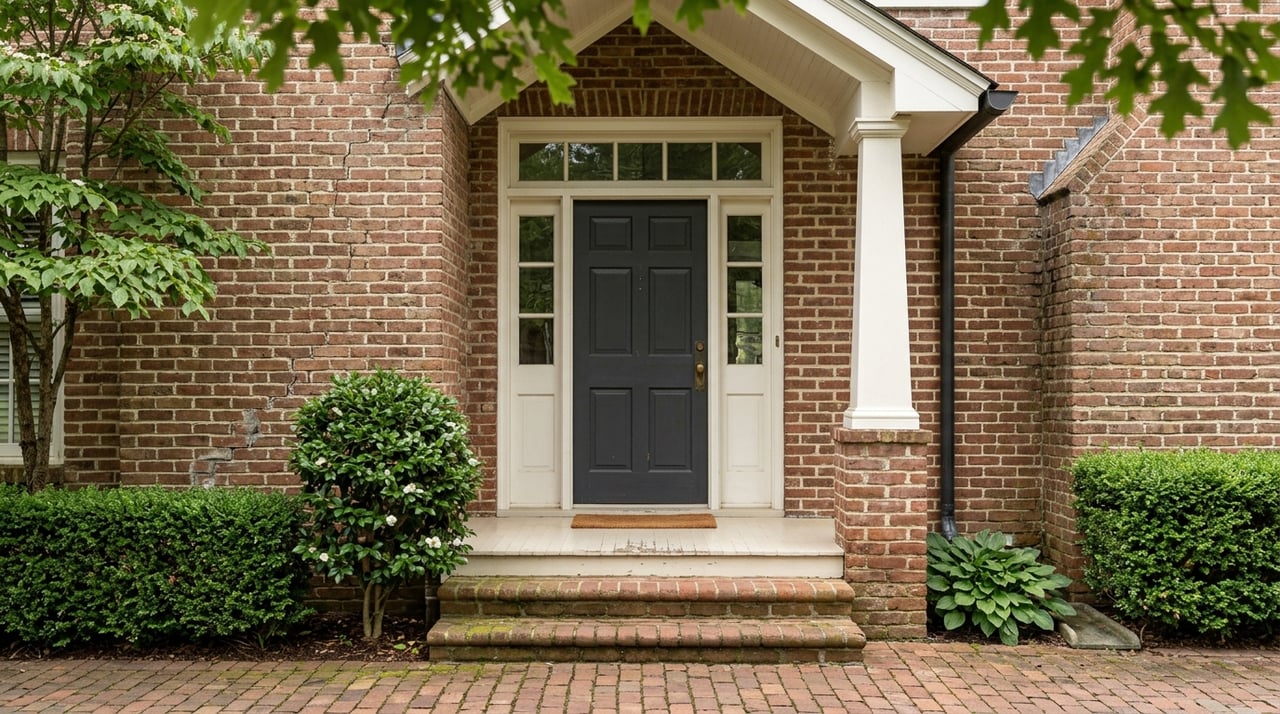
Thinking about buying a historic home in Morganton? It is easy to fall for the porch, trim, old-growth lot, or handcrafted details that newer homes rarely match. But charm comes with tradeoffs, and if you want to buy wisely in Burke County, you need to know where the opportunities are, what risks to watch for, and how historic rules may affect your plans. Let’s dive in.
Where Morganton’s Historic Homes Are
In Morganton, historic homes are not limited to one small pocket. Instead, many of the city’s older homes form a ring around downtown, with several recognized historic districts containing late-19th- and early-20th-century housing.
According to the North Carolina historic district documentation, key areas include Avery Avenue north of downtown, North Green Street–Bouchelle Street to the northwest, West Union Street to the southwest, White Street–Valdese Avenue to the northeast, South King Street behind the commercial center, and Jonesboro to the southeast.
If you are exploring older homes in the 28655 area, these districts are a smart place to start. They tend to offer the kind of streetscape buyers usually picture when they think of a historic home: mature lots, varied architecture, and homes with individual character rather than a uniform subdivision layout.
Jonesboro’s Historic Significance
One district stands out for its place in Morganton’s history. The Jonesboro historic district nomination identifies it as Morganton’s oldest and only remaining intact Black neighborhood, with many homes dating from about 1895 to 1935.
You will often find small frame cottages, bungalows, and shotgun houses there. For buyers who value architectural history and a distinct sense of place, that context can be an important part of the home search.
What Makes These Homes Appealing
Historic homes in Morganton offer something many newer properties do not: visual character that was built over time. Across the city’s historic districts, common styles include Victorian, Queen Anne, Italianate, Colonial Revival, Craftsman, bungalow, cottage, and shotgun forms, based on district descriptions from the North Carolina National Register files.
That variety matters because it changes how a street feels. Instead of repeated floor plans and similar facades, you are more likely to see larger early homes beside later infill homes, with different rooflines, porches, materials, and setbacks.
Details Buyers Often Love
The draw is usually in the details. Historic district records describe features like Queen Anne ornament, Victorian trim, porches, exposed rafter ends, rounded bay windows, brick construction, and landscaped or mature lots.
In West Union Street, the district was described as Morganton’s most stylistically sophisticated residential collection. In White Street–Valdese, records note a substantial brick Victorian house, a fine Queen Anne example, and distinctive rounded bay window design. These are the kinds of details that make older homes feel memorable the moment you pull up.
The Main Risks to Understand
A historic home can be rewarding, but you should go in with open eyes. In most older homes, the biggest risks are not cosmetic. They usually start with the building envelope, moisture control, and the condition of major systems.
The National Park Service guidance on moisture in historic buildings notes that older houses can be drafty and vulnerable to water intrusion through missing mortar, cracks around windows and doors, roof or gutter failures, and other openings that let moisture reach walls and interiors.
Moisture and Exterior Issues
If you are evaluating a historic home, pay close attention to the roof, flashing, gutters, downspouts, masonry, and nearby vegetation. These are not glamorous items, but they often tell you a lot about how well the property has been maintained.
The National Park Service also warns against waterproof coatings on above-grade masonry because they can trap moisture. That means a “quick fix” on an older brick home may not actually be a fix at all.
Energy Upgrades Can Be Tricky
Many buyers assume they can modernize efficiency the same way they would in a newer house. Historic homes do not always work that way.
The National Park Service insulation guidance says attic and basement insulation are often safer first steps, while blown-in wall insulation can trap moisture and lead to hidden damage. Air leaks around loose windows and doors, foundation cracks, and plumbing or electrical penetrations are also common trouble spots.
Lead Paint Is a Real Concern
Because many of Morganton’s historic homes were built well before 1940, lead-based paint is a practical issue to take seriously. The EPA reports that 87% of homes built before 1940 contain some lead-based paint, and it advises owners to assume pre-1978 homes may contain lead unless testing shows otherwise.
That matters even more if you plan to renovate soon after closing. Renovation, repair, and painting work in older homes can create dangerous lead dust, and certain projects require lead-safe certified contractors.
Insurance May Require More Documentation
Older homes can also involve extra questions during the insurance process. A North Carolina replacement-cost coverage form asks for details such as when the heating, electrical, and plumbing systems were updated, roof age, and exterior repainting or re-siding dates for older structures.
That does not mean a historic home is uninsurable. It does mean you should be ready to document the age and condition of major components, especially if the home has an older roof or outdated systems.
Due Diligence Before You Buy
A standard home inspection is still your baseline, but historic homes usually call for a wider checklist. If you are serious about buying one, the smartest move is to treat due diligence as more than a formality.
The National Park Service advises that inspections for older buildings should cover the roof, structure, foundation, plumbing, and mechanical systems. Depending on the building’s history and your renovation plans, you may also want to consider environmental due diligence and, in some cases, an asbestos survey.
A Practical Historic Home Checklist
Before you move forward, consider asking for or verifying:
- Roof age and condition
- Electrical system update history
- Plumbing update history
- HVAC age and service records
- Signs of moisture intrusion or drainage problems
- Masonry condition and mortar issues
- Window and door condition
- Any known lead paint concerns
- Any past renovation permits or preservation approvals
- Insurance documentation on major systems
This kind of preparation helps you avoid surprises and budget more confidently.
Historic Designation Matters
One of the most misunderstood parts of buying a historic home is the designation itself. Not every historic label works the same way, and the rules can be very different depending on whether a property is simply listed or locally regulated.
The National Park Service explains that National Register listing is honorary for private owners. It does not automatically restrict what a private, non-federal owner can do, does not require public access, and does not automatically create local zoning.
Local Historic Rules Can Affect Changes
Local designation is different. North Carolina local historic districts and landmarks are created by local government and can regulate exterior changes. Significant alterations, additions, demolition, or relocation generally require a certificate of appropriateness.
Morganton’s Historic Preservation Commission helps owners plan changes and guides them through that application process. If you hope to add on, replace original materials, or make visible exterior updates, this is something you will want to understand before you buy.
Tax Credits and Incentives
Historic home buyers sometimes assume every older house comes with tax breaks. In reality, the incentive picture depends on the exact designation and how the property is used.
The National Park Service states that not every building in a historic district is considered contributing, and the federal 20% historic rehabilitation tax credit applies only to certified income-producing properties, not private residences.
North Carolina preservation guidance also notes that certified rehabilitations of income-producing historic structures may qualify for a 20% federal credit and a 15% to 25% state credit. For locally designated landmarks, owners may be eligible for an annual 50% property-tax deferral if historic features are maintained, while local historic district designation itself does not change property taxes.
If incentives are part of your buying strategy, verify the property’s status early. That step can save you from planning around benefits that may not apply.
Who These Homes Fit Best
Historic homes in Morganton tend to work best for buyers who value character over turnkey convenience. If you love original details, mature lots, and a neighborhood feel that developed over decades, these homes can be deeply rewarding.
They are often a better fit if you are comfortable budgeting for maintenance, system upgrades, and careful repairs. They may also be a strong option if you prefer Victorian, Queen Anne, bungalow, cottage, or early-20th-century architecture and want a more distinctive home than you might find in a newer subdivision.
The tradeoff is simple: you gain charm, variety, and historic identity near downtown, but you also take on more responsibility for inspection, documentation, and preservation-sensitive decision-making.
Final Thoughts on Buying Historic
Buying a historic home in Morganton can be a great move if you know what you are buying. The rewards are real: architectural variety, established surroundings, and homes with details that are hard to duplicate today. The risks are real too, especially around moisture, lead paint, system age, insurance questions, and possible local review for exterior changes.
If you want help weighing those tradeoffs and finding the right fit in Burke County or the wider Unifour region, connect with Hernan Espiritu. You will get practical guidance, clear communication, and local insight so you can move forward with confidence.
FAQs
What areas in Morganton have the most historic homes?
- Morganton’s historic homes are concentrated around downtown in districts such as Avery Avenue, North Green Street–Bouchelle Street, West Union Street, White Street–Valdese Avenue, South King Street, and Jonesboro.
What architectural styles are common in Morganton historic homes?
- Common styles include Victorian, Queen Anne, Italianate, Colonial Revival, Craftsman, bungalow, cottage, and shotgun homes.
What are the biggest risks when buying an older home in Morganton?
- The biggest concerns often include moisture intrusion, roof and gutter issues, masonry problems, outdated systems, lead-based paint, and the need for added insurance documentation.
Does National Register status restrict what you can do to a Morganton historic home?
- No. For private owners, National Register listing is honorary and does not automatically restrict changes, create local zoning, or require public access.
Can local historic rules affect renovations in Morganton?
- Yes. If a home is in a locally designated historic district or is a local landmark, exterior changes may require a certificate of appropriateness before work begins.
Do historic homes in Morganton qualify for tax credits?
- Some do, but eligibility depends on the building’s status and use. Federal and state rehabilitation credits generally apply to certified income-producing properties, not private residences.