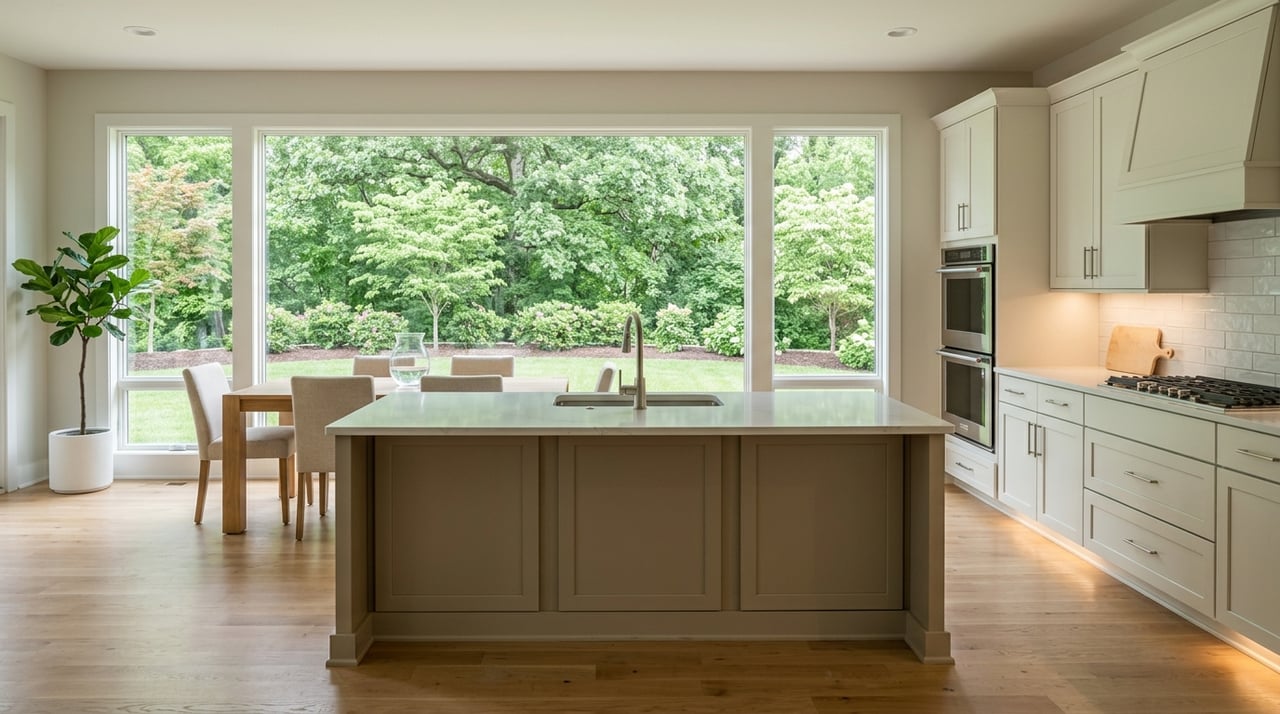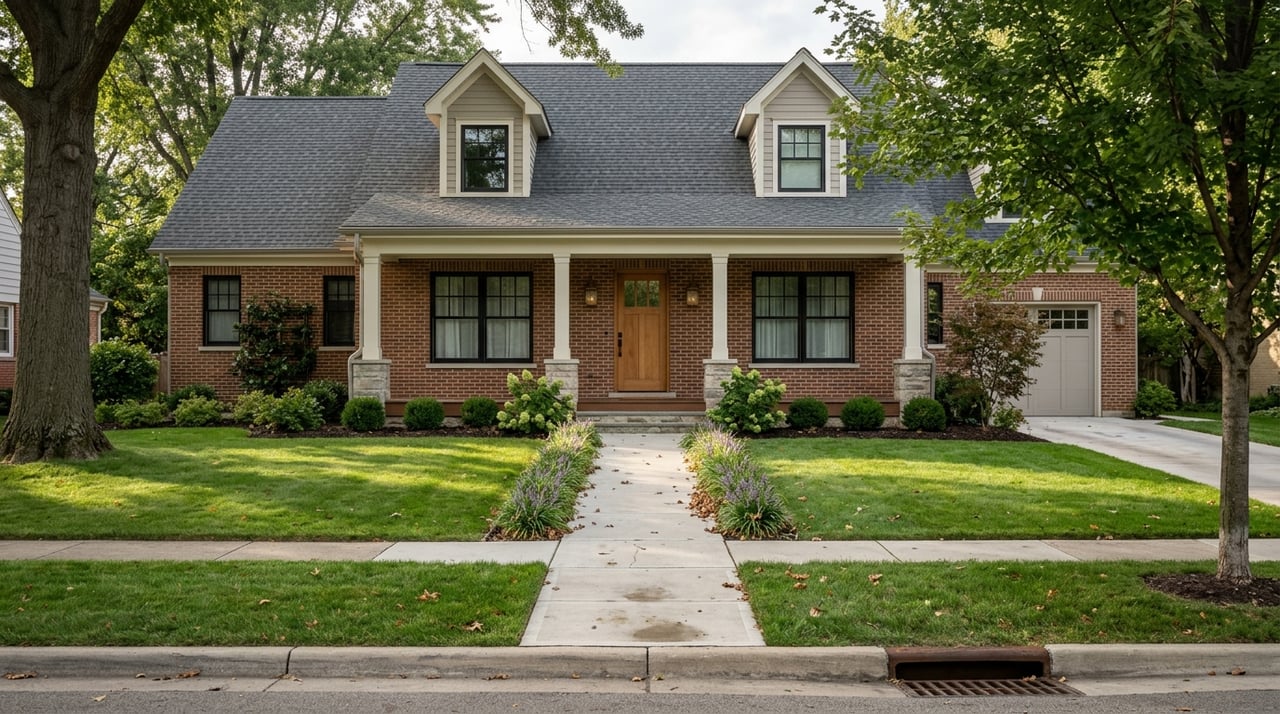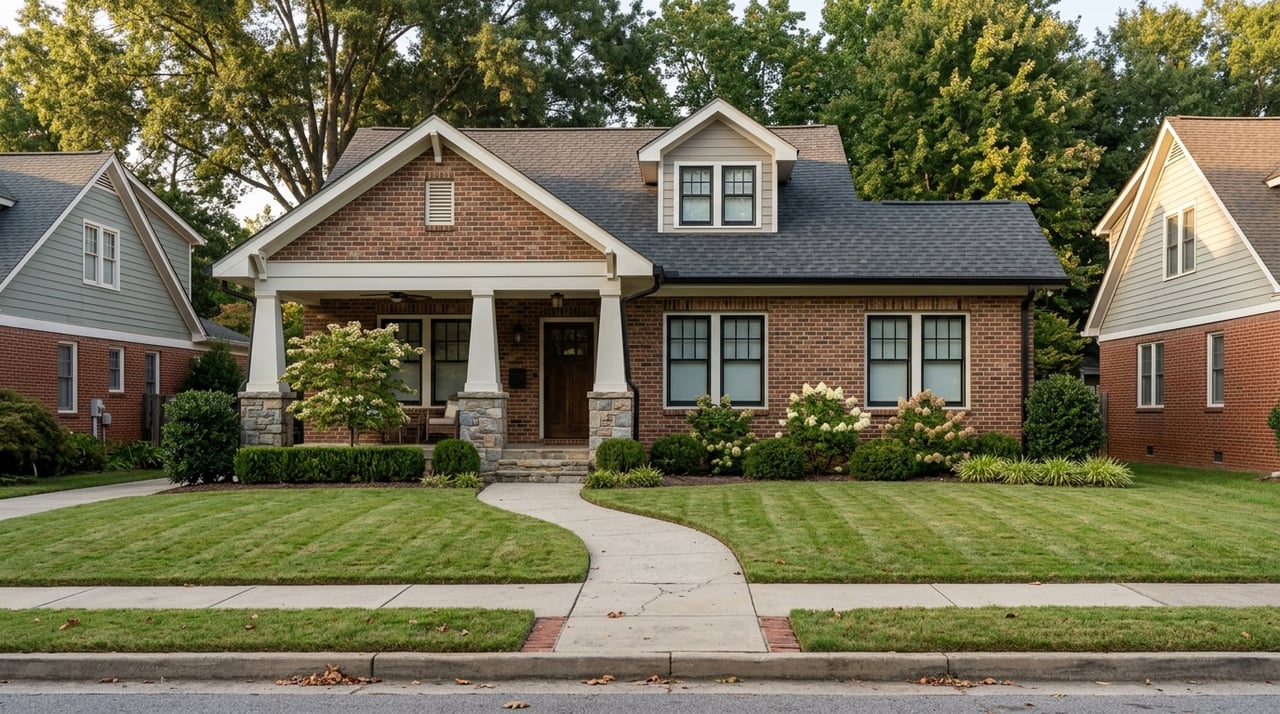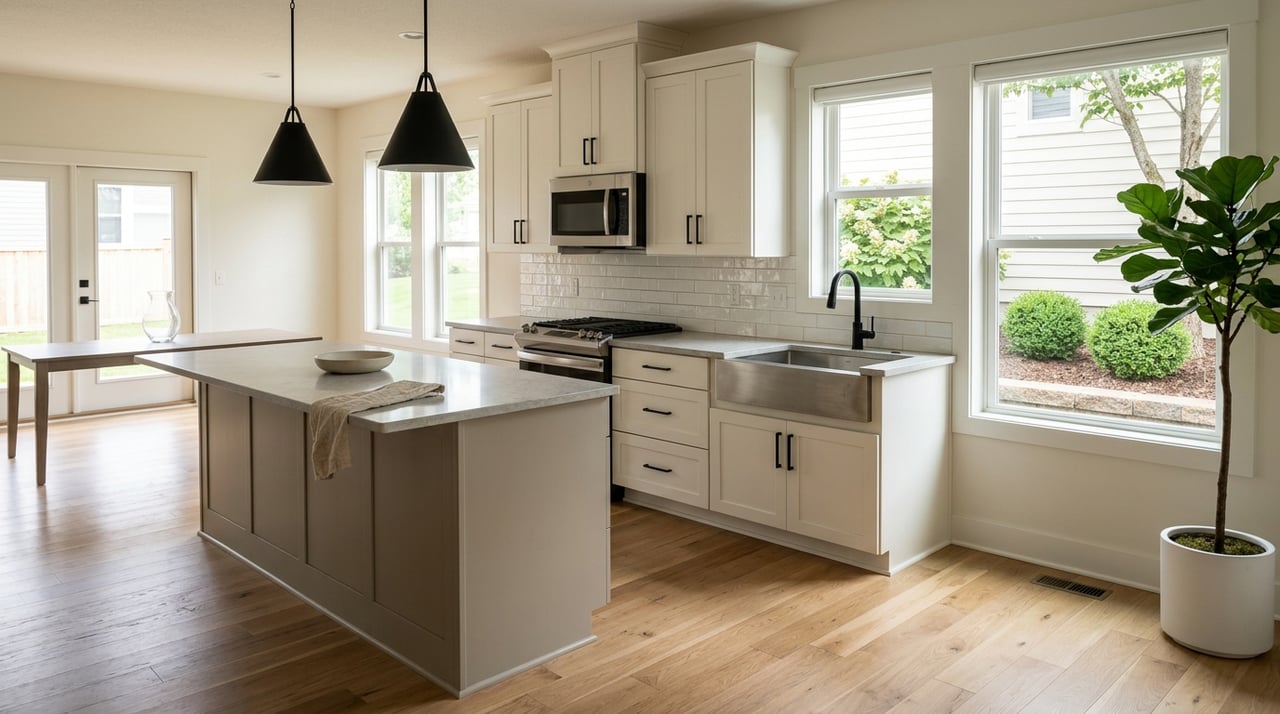
Thinking about selling your home in Connelly Springs? In a small market like 28612, the difference between a smooth sale and a stressful one often comes down to preparation, pricing, and knowing how North Carolina’s selling process actually works. If you want to avoid surprises, attract serious buyers, and make confident decisions from listing to closing, this guide will walk you through each step. Let’s dive in.
Understand the Connelly Springs market
Before you list, it helps to understand what kind of market you are stepping into. Connelly Springs is a spread-out ZIP code with about 11,290 residents across roughly 80 square miles, and the local housing picture can look very different from nearby areas.
The buyer pool here is often more price-sensitive than the state overall. Census Reporter estimates the median value of owner-occupied homes in 28612 at $162,400, compared with $185,400 in Burke County, $241,600 in Catawba County, and $288,900 statewide. That does not mean your home cannot command strong interest, but it does mean buyers are likely paying close attention to value.
Another important point is that Connelly Springs is a small-sales market. Redfin reported a median sale price of $353,000 in March 2026, but that figure was based on only 2 home sales, which makes it more volatile than a larger market. In other words, you should not build your pricing strategy around one headline number.
Step 1: Gather your documents early
One of the smartest things you can do is get your paperwork ready before your home goes live. In North Carolina, sellers of most residential one-to-four-unit properties must provide two disclosure forms before an offer is made.
Those forms are:
- Residential Property and Owners’ Association Disclosure Statement, often called RPOADS
- Mineral and Oil and Gas Rights Mandatory Disclosure Statement, often called MOGS
This step matters more than many sellers realize. If you do not provide the completed RPOADS before an offer is made, the buyer may have a limited right to rescind the contract within three days of contract formation or three days of receiving the statement, whichever occurs first.
The North Carolina Real Estate Commission has also made clear that sellers can be liable for knowingly withholding latent defects. Choosing “no representation” on the disclosure form does not erase the duty to disclose known material facts.
What to collect before listing
To stay organized, gather as many of these items as possible early in the process:
- HOA documents and transfer-fee information, if your property is in an owners’ association
- Septic permits and bedroom-limit records, if the home uses an on-site septic system
- Surveys or plats
- Utility information
- Repair invoices
- Warranty documents
- Any records that help explain upgrades, maintenance, or past work
If your home has a septic system, this is especially important. The septic permit information available from the county health department may affect permitted bedroom count and how the home should be marketed.
Step 2: Prepare the home for the market
Once your documents are in order, focus on presentation. In a price-sensitive market, condition and perceived value carry a lot of weight.
Buyers comparing homes in Connelly Springs may also be looking at options in nearby Hickory and Morganton. That means your home needs to look well cared for, correctly priced, and easy to understand the moment buyers see it online or in person.
Focus on the details that shape value
Your home does not need to be perfect, but it should feel clean, functional, and ready for showings. Pay close attention to:
- Curb appeal
- Cleanliness
- Minor deferred maintenance
- Clear, uncluttered rooms
- Outdoor features like acreage, outbuildings, or usable yard space
In 28612, features like lot type, commute convenience to the Hickory or Morganton corridor, and extra land or storage can influence buyer interest. Those details should be part of your preparation and marketing plan.
Decide whether to sell as is
Some sellers consider listing a property “as is.” In North Carolina, that means you are deciding in advance not to make repairs, but it does not remove the buyer’s right to inspect the property.
It also does not remove your disclosure obligations. There is no North Carolina law or Real Estate Commission rule that forces a seller to make repairs, but if repairs are negotiated, they should be put in writing.
Step 3: Price with local comps, not broad averages
Pricing is where many sellers either gain momentum or lose it. In Connelly Springs, this step requires extra care because the number of recent sales can be small, and nearby markets do not always move in sync.
For example, Redfin’s market pages show Hickory at around 64 days and about 2% below list, while Morganton is around 60 days and about 5% below list. Their reported median sale prices are about $302,000 in Hickory and $290,000 in Morganton, respectively.
That does not mean your home should be priced like a home in Hickory or Morganton. It means buyers may be comparing across nearby markets, so your price should reflect your specific property type, condition, location, acreage, and features.
What strong pricing looks like
A smart pricing strategy in Connelly Springs should account for:
- Recent sales of similar homes in 28612
- Differences in acreage, outbuildings, and lot usability
- Home condition and updates
- Commute access to nearby employment and retail areas
- Competing listings buyers may also consider in Hickory or Morganton
North Carolina overall still showed moderately seller-friendly conditions in February 2026, with 5.02 months of inventory and a statewide median sales price of $360,000. Even so, your closest comparable sales still matter more than statewide averages when you set a list price.
Step 4: Launch your listing strategically
When your home is priced well and prepared well, marketing can do its job more effectively. This is where strong presentation helps your property stand out, especially for both local buyers and people relocating within the broader metro area.
Redfin migration data suggests many buyers searching in Connelly Springs are still looking within the metro area, while Charlotte was the largest inbound metro in the recent period. That points to a mix of local movers and regional relocators, though not every listing will attract the same audience.
What buyers need to see right away
Your listing should quickly answer the questions buyers are already asking:
- How much space does the home offer?
- What makes this property different from others nearby?
- Is the layout and condition worth the asking price?
- How does the lot, setting, or location add value?
Clear photography, accurate property details, and a clean story about the home all help reduce friction. Buyers tend to respond better when they can easily understand what they are looking at and why it is priced the way it is.
Step 5: Review offers on more than price
A higher offer is not always the best offer. In North Carolina, contract terms can matter just as much as sale price, especially during the due diligence period.
When reviewing offers, you should look at the full picture. That includes the due diligence fee, proposed closing date, financing strength, and how likely the buyer is to stay on track.
Key terms to compare
When multiple offers come in, compare:
- Offer price
- Due diligence fee
- Earnest money deposit
- Closing timeline
- Financing terms
- Repair expectations or special requests
A lower-priced offer with stronger terms may net you more certainty and less stress. This is especially true if the buyer offers a meaningful due diligence fee and a realistic closing schedule.
Step 6: Understand North Carolina due diligence
North Carolina uses a due diligence period instead of a traditional financing contingency. This is one of the most important parts of the sale process for sellers to understand.
During the negotiated due diligence period, the buyer may terminate the contract for any reason or no reason by written notice before the deadline. The due diligence fee is generally non-refundable, while earnest money may be at risk if the buyer misses the deadline and then cannot close.
What this means for you as a seller
The due diligence window is when buyers typically complete inspections and continue evaluating financing. It is also when sellers need to stay responsive and organized.
Here is what to do during this stage:
- Respond quickly to inspection-related questions
- Review any repair requests carefully
- Make sure any agreed repairs are in writing
- Keep track of deadlines
- Reassess the strength of the deal based on the buyer’s actions
It is also important to remember that a prequalification letter is not a loan guarantee. If the buyer needs more time for due diligence, that extension has to be negotiated with you.
Material facts still matter
Even if you are selling as is, material facts still matter. According to the North Carolina Real Estate Commission, brokers must disclose material facts they know or reasonably should know.
If an inspection reveals a significant defect and you refuse to repair it, that defect becomes a material fact that must be disclosed. This is one reason honest disclosures and prompt communication can protect both your sale and your negotiating position.
Step 7: Get ready for closing day
North Carolina closings are attorney-centered, which is different from some other states. The parties negotiate the time and place of closing, but the process does not truly finish until the settlement is completed, funds are authorized for disbursement, and the deed is recorded.
That last point is critical. Recordation of the deed is what ultimately matters for possession and key transfer.
Your closing checklist
As closing approaches, make sure you:
- Confirm mortgage payoff figures
- Confirm HOA balances, if applicable
- Coordinate with the closing attorney
- Update disclosures if a new issue appears before closing
- Leave the home broom-clean
- Remove personal property unless something is specifically included in the contract
Do not hand over keys or possession before recordation is complete. This is especially important for late-day closings or Friday closings, where recording may not happen as quickly as expected.
Step 8: Plan the final handoff carefully
The last step is simple but important. Once the deed has recorded and closing is complete, the property handoff should match the contract terms.
Make sure agreed items remain with the home, the property is in the expected condition, and your move-out plan leaves enough time for a smooth transition. A clean, orderly handoff helps close out the transaction on the right note.
Selling a home in Connelly Springs is not just about putting a sign in the yard. It is about preparing the right documents, pricing with local context, negotiating smartly under North Carolina rules, and staying organized all the way to recordation. If you want experienced local guidance and a hands-on plan built around your property, schedule a free consultation with Hernan Espiritu.
FAQs
What disclosures do home sellers in Connelly Springs need before listing?
- In North Carolina, sellers of most residential one-to-four-unit properties must provide the Residential Property and Owners’ Association Disclosure Statement and the Mineral and Oil and Gas Rights Mandatory Disclosure Statement before an offer is made.
How should you price a home in Connelly Springs, NC?
- You should price using the most relevant local comparable sales, with close attention to condition, lot type, acreage, outbuildings, and nearby competition from areas like Hickory and Morganton rather than relying only on broad county or ZIP code averages.
What does as is mean for a home sale in North Carolina?
- In North Carolina, selling as is means you have decided not to make repairs in advance, but buyers still have the right to inspect and sellers still must disclose known material facts.
What is the due diligence period in a North Carolina home sale?
- The due diligence period is a negotiated window in which the buyer can terminate the contract for any reason or no reason by written notice before the deadline, while usually risking the due diligence fee.
When do sellers hand over keys at closing in North Carolina?
- Sellers should wait until the deed has been recorded because recordation is the point that ultimately matters for possession and key transfer in North Carolina.
What documents should Connelly Springs sellers gather before putting a home on the market?
- Sellers should gather disclosures, HOA information if applicable, septic permits and bedroom-limit records for septic properties, surveys or plats, warranty information, utility details, and repair invoices before the home goes live.