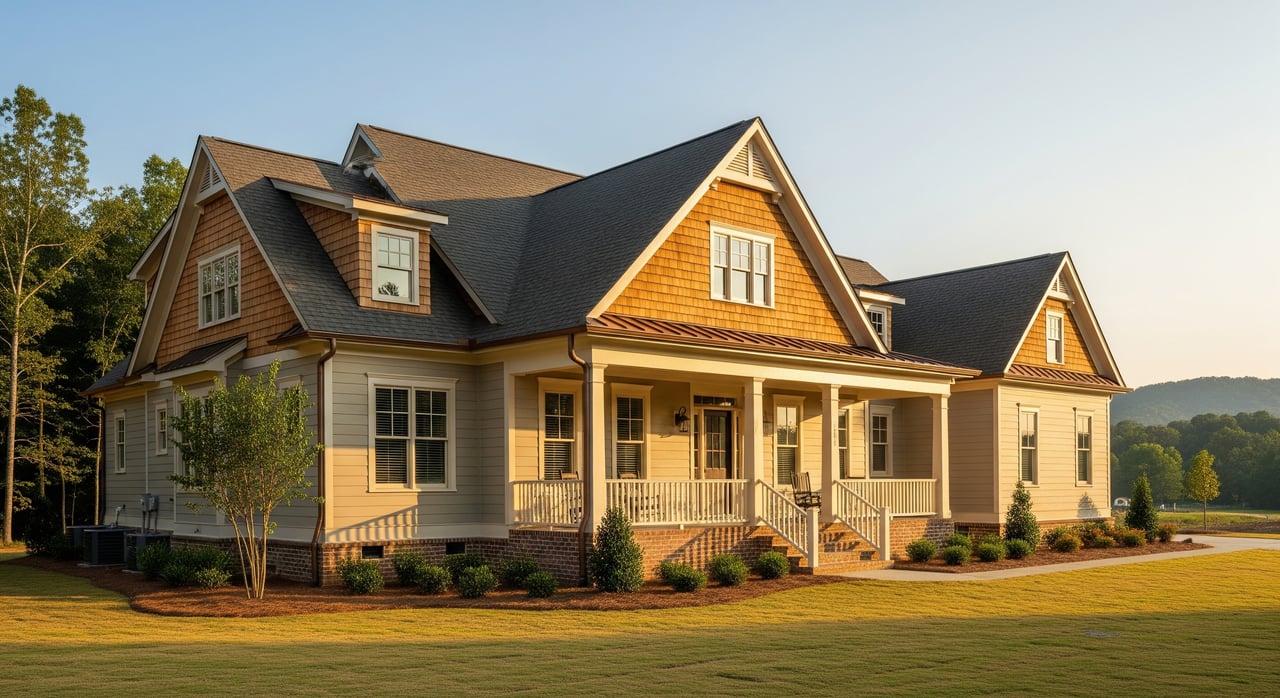
Buying a home in Conover should feel exciting, not overwhelming. One of the biggest question marks is the home inspection: what it covers, what it misses, and how to use the report to protect your budget. You want a clear, local guide that cuts through jargon and helps you make smart choices. In this post, you’ll learn what North Carolina inspections include, the most common findings in 28613, which add-on tests to consider, and how to prioritize repair requests without blowing up the deal. Let’s dive in.
NC home inspection basics
Licensed inspectors and scope
A North Carolina home inspection is a professional, visual evaluation of a home’s accessible systems and components. Inspectors in the state must be licensed and follow Standards of Practice and a Code of Ethics. For scope context, national groups like ASHI’s Standards of Practice and InterNACHI’s Standards of Practice align closely with what you should expect in North Carolina.
Time and cost
Most single-family inspections take about 2 to 4 hours. Typical pricing in many markets ranges around $300 to $600, depending on size, age, and complexity. Ancillary tests like radon, termite, sewer scope, or well and septic are usually additional.
Key limits to know
Inspections are visual and non-invasive. Inspectors do not open finished walls or perform destructive testing unless you specifically contract for it. The report is a snapshot in time, not a warranty. Specialized evaluations like termite, radon, mold, well, septic, chimney, structural engineering, HVAC performance testing, or a sewer camera require separate specialists and contracts.
Systems your inspector evaluates
- Exterior: Roof coverings and visible flashing, gutters and downspouts, siding and trim, grading and drainage, visible foundation cracks, porches, decks, and railings.
- Structural components: Visible foundation, columns, beams, and floor structure where accessible; signs of settlement or movement.
- Roof and attic: Roof condition and age estimate, flashing, evidence of leaks, attic insulation and ventilation, roof framing, and visible moisture or pest activity.
- Plumbing: Supply and drain lines where visible, fixtures, water heater age and condition, and signs of leaks or pressure concerns.
- Electrical: Service entrance, meter, panel, wiring condition, GFCI/AFCI protection, double-tapped breakers, and ungrounded outlets.
- HVAC: Heat pump or furnace and AC equipment, visible condition and basic operation, ductwork and connections.
- Interior: Walls, ceilings, doors, windows, and signs of moisture intrusion or settlement.
- Insulation and ventilation: Attic insulation, airflow, and moisture accumulation indications.
- Fireplaces and chimneys: Visible condition; chimney sweep or specialist often recommended for significant concerns.
- Garages: Door operation, fire separation where applicable, and safety hazards.
- Safety features: Presence and basic function of smoke and carbon monoxide detectors, handrails, and guardrails.
Conover inspection red flags to watch
- Roofing and gutters: Granule loss on asphalt shingles, damaged flashing, and clogged or poorly sloped gutters that keep water near the foundation. Seasonal storms plus age make roof maintenance a frequent negotiating point.
- Drainage and grading: Gutters discharging at the foundation, ponding water, and crawlspace moisture. Local Piedmont soils make proper grading and drainage critical.
- Crawlspaces and attics: Elevated crawlspace humidity, missing vapor barriers on soil, and poor ventilation that can lead to wood rot or mold-like staining. In attics, inadequate ventilation can shorten roof life.
- HVAC wear: Aging heat pumps or furnaces, dirty coils, and leaky ducts that cut efficiency. Significant issues usually warrant an HVAC contractor’s evaluation and estimate.
- Electrical safety: Missing GFCI protection at kitchens, baths, garage, exterior; double-tapped breakers; older panels; and two-prong ungrounded outlets in older homes.
- Plumbing and water heaters: Corroded piping, slow drains, older water heaters nearing end of life, and signs of past or active leaks.
- Wood-destroying insects: Evidence of termites or other WDI activity, often tied to moisture conditions. Buyers needing a termite letter should arrange a licensed WDI inspection.
- Mold indicators: Visible mold-like staining around windows, crawlspaces, or attics connected to moisture issues. Sampling requires a separate service if you want lab results.
- Septic or older sewer lines: If not on municipal sewer, septic system performance is crucial. Older sewer laterals on city sewer may merit a sewer scope.
Add-on tests to consider
- Termite/WDI inspection: Common and often lender-required with some loan types. Learn about licensing through the state’s Structural Pest Control resources.
- Radon test: The EPA’s radon guidance recommends testing, with an action level of 4 pCi/L. Mitigation is common and effective.
- Sewer scope: A video inspection is smart for older homes or if you see signs of sewer issues.
- Well water and septic: If the property is not on municipal services, schedule a water test and a septic evaluation.
- HVAC or chimney specialists: Bring in a contractor or sweep when age, condition, or performance flags appear.
Prioritize findings and negotiate smart
Categorize defects
- Safety or immediate threats: Exposed live wiring, active water intrusion, gas or CO hazards, nonfunctioning smoke or CO detectors, major structural failure. Ask for repairs by licensed contractors before closing or secure funds to do them.
- Major systems and costly items: Failing HVAC, significant roof leaks, failing water heater, active termite damage, septic failures. Request seller repairs, a credit, or a price reduction, backed by contractor estimates.
- Deferred maintenance: Aging gutters, worn decking, minor grading issues, caulking and sealant. Consider modest credits or accept and factor into your budget.
- Cosmetic items: Paint touchups, minor scuffs, small drywall blemishes. Usually accept as-is unless part of a broader negotiation package.
Negotiation tactics that keep deals on track
- Focus on safety, structure, and major systems first. These are reasonable to insist on.
- Get 1 to 2 written estimates for material items. Specific numbers make your request objective.
- Consider credits or a price reduction instead of requiring the seller to manage repairs under a tight timeline.
- Use escrow holdbacks when a repair cannot be completed before closing.
- Limit requests to the inspection report and agreed add-on tests to avoid open-ended renegotiation.
- Require licensed trades, receipts, and transferable warranties when applicable.
Re-inspections and loans
- If the seller completes repairs, ask for documentation and consider a limited re-inspection before closing.
- FHA or VA loans may require certain repairs or a termite letter. Coordinate findings with your lender early to prevent last-minute issues.
Quick checklist for your inspection
Before inspection day
- Confirm the inspector’s NC license and insurance. Ask for the Standards of Practice they follow.
- Ask what ancillary tests are included and schedule any needed specialists.
- Plan to attend the inspection if you can.
Questions to ask the inspector
- What are the age and expected remaining life of the roof, HVAC, water heater, and major appliances?
- Do you see signs of termites or wood-destroying insects and should we order a WDI inspection?
- Are insulation and ventilation adequate? Is crawlspace moisture a concern?
- What are the safety priorities: electrical hazards, gas line issues, or CO risks?
- Can you provide a written, prioritized list of issues by safety, major, and maintenance categories?
Quick visual checklist for the report
- Roof: __ age estimate __ missing shingles __ active leaks reported
- Foundation: __ visible cracks __ signs of settling __ moisture present
- Dampness and pests: __ crawlspace moisture __ mold evidence __ termite signs
- Electrical: __ 2-prong outlets __ missing GFCI __ panel issues
- HVAC: __ heat pump or furnace age __ ran during inspection __ service records
- Plumbing: __ water heater age __ visible leaks __ water pressure
- Safety: __ smoke detectors __ CO detectors __ handrails and guardrails
- Utilities and services: __ public sewer or septic __ well water tests scheduled
- Recommended add-ons: __ WDI __ radon __ sewer scope __ well and septic
After the inspection
- Review the full report with photos. Get contractor estimates for major items and set a repair or credit strategy with your agent.
Sample inspection timeline
- Day 0: Offer accepted.
- Days 0 to X: Inspection period begins. Many Conover contracts allow 7 to 14 days. In competitive scenarios it can be 5 to 7. Confirm your contract.
- During the period: Complete the general inspection and any add-ons like WDI, radon, sewer scope, or well and septic.
- By the deadline: Deliver repair requests or credit proposals in writing per your contract.
- Seller response window: Seller accepts, rejects, or counters within the timeframe set by the contract.
- If agreed: Schedule repairs or finalize credits and any escrow holdback terms. Collect receipts or contractor agreements.
- Pre-closing: Re-inspection if required or receive completion documents.
- Closing: Funds and title transfer. Escrow holdbacks release after repair verification, if applicable.
Check local permits and records
For major additions, decks, or mechanical replacements, verify permit history and records through local government resources like the Catawba County website or the City of Conover. This can help confirm work was properly documented.
Buying in 28613 is easier when you turn the inspection into a plan. Use the report to focus on safety, structure, and big-ticket systems first, then decide what you will accept, repair, or credit. If you want help synthesizing the report and shaping a clean, compelling ask that keeps the deal moving, connect with Hernan Espiritu to schedule a free consultation.
FAQs
What does a North Carolina home inspection include?
- A licensed inspector performs a visual review of major systems like roof, structure, electrical, plumbing, HVAC, interior, and safety items, and provides a written report.
How long and how much is an inspection in Conover?
- Most inspections take 2 to 4 hours and commonly range about $300 to $600, with add-on tests priced separately.
Do I need a radon test in 28613?
- The EPA recommends testing for radon in all homes; the action level is 4 pCi/L and mitigation is effective if levels are elevated.
Are termite or WDI inspections separate in North Carolina?
- Yes, WDI inspections are a separate service usually performed by licensed pest professionals and are sometimes required by lenders.
How should I request repairs after the inspection?
- Prioritize safety and major systems, get contractor estimates, and use targeted requests, credits, or escrow to keep the deal on track.
Can I attend the home inspection as a buyer?
- Yes, and it is recommended because you can ask questions, learn about maintenance, and better understand the report findings.