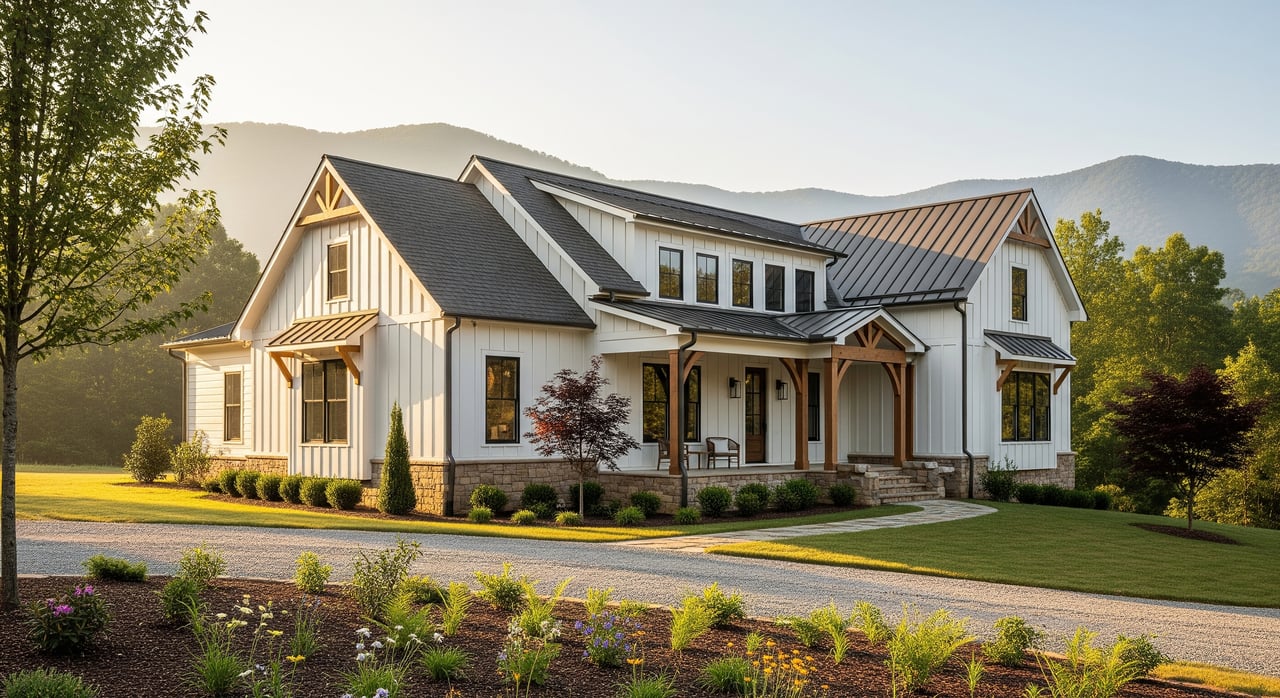
Buying your first home in Catawba can feel out of reach when the down payment and closing costs keep stacking up. If you live or want to buy in 28609, you actually have several paths to reduce upfront costs and make a smart move. You just need to know which programs fit your situation and how to sequence the steps.
This guide breaks down North Carolina’s statewide options, federal loans, and local resources that may help you in Catawba County. You will learn basic eligibility, where to verify details, and a simple workflow to get started with confidence. Let’s dive in.
What counts as a first-time buyer
Many programs define a first-time buyer as someone who has not owned a primary home in the past three years. Some programs allow exceptions for qualified veterans or certain targeted areas. Because rules differ, always confirm the definition for the specific program you plan to use.
First-time status is only one piece. Most programs also look at your income, the home’s purchase price, property type, and whether you will live in the home as your primary residence.
Program types at a glance
You will usually combine a primary mortgage with one or more forms of assistance. Here is what that looks like:
- Primary mortgage: FHA, VA, USDA, or conventional loans set your base terms and minimum down payment.
- Down payment and closing cost assistance: State, local, lender, or nonprofit funds that help cover upfront costs, often as a grant, forgivable loan, or deferred second mortgage.
- Mortgage Credit Certificate (MCC): A federal tax credit tied to the mortgage interest you pay, typically administered by the state housing agency.
North Carolina programs: NCHFA
The N.C. Housing Finance Agency offers statewide first-mortgage products, down payment help, and MCCs through participating lenders. These programs are designed to lower your upfront costs and monthly payment when possible.
- You must use an approved lender and meet income and purchase price limits that vary by county and household size.
- Many options require a homebuyer education course before closing.
- Terms and program names change over time, so always verify current details directly with the N.C. Housing Finance Agency.
If you plan to buy in Catawba County, check the current county-specific limits and whether an MCC or state down payment assistance can be paired with your chosen first mortgage.
Federal loans that reduce down payment
Federal programs can lower the cash you need to close, and many can be paired with state or local assistance when allowed by program rules and the lender.
- FHA loan: Allows a minimum 3.5 percent down payment if you qualify, with mortgage insurance. Learn more through HUD’s resources.
- VA loan: For eligible service members, veterans, and some spouses, often with no down payment required. Review service eligibility and loan features on the VA home loan page.
- USDA Guaranteed Loan: Offers 0 percent down for eligible rural properties with income limits. Parts of Catawba County may or may not qualify. Verify a property’s location using the USDA Rural Development site or ask your lender to check the eligibility map.
- Conventional first-time buyer products: Some allow as little as 3 percent down. Availability and requirements depend on the lender and product.
Local and nonprofit options in Catawba
Local programs can sometimes be layered with statewide and federal assistance if the rules allow. Because these funds can change and may be limited, check them early in your search.
- Catawba County: Visit the county’s community development or housing pages to see current homebuyer assistance or rehabilitation programs and any local income or price limits. Start with the Catawba County official site.
- Nearby cities: Hickory, Newton, and Conover may have their own programs or nonprofit partners.
- Nonprofits and lenders: Some banks, credit unions, and local organizations offer grants or affordable second mortgages. Ask your lender about current offerings and whether they can be combined with state or federal loans.
Side-by-side comparison
| Program / Category | What it offers | Key eligibility | Combine with others? | Where to verify |
|---|---|---|---|---|
| NCHFA statewide options | First mortgage plus down payment help or MCC | County income and purchase price limits; approved lender; homebuyer education may be required | Often, depending on program rules | N.C. Housing Finance Agency |
| Mortgage Credit Certificate (MCC) | Federal tax credit based on mortgage interest | Income and price limits; owner-occupancy; participating lender | Often paired with eligible mortgages | N.C. Housing Finance Agency |
| FHA loan | 3.5 percent down minimum for qualified borrowers | Credit and underwriting rules; FHA property standards | Often compatible with allowed DPA | HUD resources |
| VA loan | Often 0 percent down for eligible service members | Military service eligibility and occupancy | Some DPA may pair, program-specific | VA home loan page |
| USDA Guaranteed Loan | 0 percent down in eligible rural areas | Property location and income limits | Sometimes, verify with lender | USDA Rural Development |
| Local county or city programs | Grants or deferred loans | Local income, price, and property location rules | Often stackable | Catawba County site |
Who qualifies: key rules to check
Eligibility varies by program, but these items show up often:
- Income and purchase price limits by county and household size.
- Owner-occupancy and primary residence requirements.
- Property type rules. Condos and manufactured homes may have additional standards.
- Credit score, debt-to-income ratio, and standard underwriting.
- Homebuyer education through a HUD-approved course for many assistance options.
You will also need documents like photo IDs, Social Security numbers, recent pay stubs, two years of W-2s and tax returns, bank statements, and proof of any gift funds. Use HUD’s site to find counseling resources if you need a certified education course.
Step-by-step: your path to assistance
Follow this simple workflow to keep your purchase on track and your assistance options open.
- Initial self-check, 1 to 3 days
- Confirm whether you meet the first-time definition. If not, you may still qualify for certain programs.
- Estimate your credit score, debts, and cash available for earnest money and inspections.
- Decide what property types you will consider in 28609 and the surrounding areas.
- Research program fit, 1 to 2 weeks
- Review the statewide options and county-specific limits on the N.C. Housing Finance Agency site.
- If you want 0 percent down in more rural locations, use the USDA Rural Development resources to check property eligibility.
- Look for county or city assistance on the Catawba County site. Check nearby cities too.
- Identify approved homebuyer education courses if required by your chosen program.
- Talk with an approved lender, 1 to 2 weeks
- Choose a lender that participates in NCHFA programs or is experienced with FHA, VA, and USDA.
- Get prequalified or preapproved to confirm budget and loan type.
- Ask which down payment assistance or MCC programs they can process and combine.
- Education and paperwork, 2 to 6 weeks
- Complete any required homebuyer education before you make an offer.
- Gather documentation early to speed up underwriting.
- Home search and program reservation, 2 to 12 weeks
- Once under contract, your lender locks the first mortgage and submits DPA or MCC applications.
- Some programs require a reservation step. Ask your lender about timing and funding limits.
- Underwriting to closing, 3 to 6 weeks
- Final approval includes the first mortgage plus any subordinate assistance.
- At closing, review the terms for any second loans, deferred payments, or forgiveness schedules.
Quick checklist
- Verify income and purchase price limits for Catawba County.
- Confirm whether you are a first-time buyer under program rules.
- Choose a lender that is approved for your preferred programs.
- Complete required homebuyer education early.
- Use the USDA resources to verify property eligibility if you want 0 percent down in eligible areas.
- Ask whether assistance is a grant, forgivable loan, or deferred second, and how it affects resale or refinancing.
How I help in Catawba
You do not have to sort this out alone. A local guide who works these programs weekly can save you time and help you stack benefits the right way. I can connect you with lenders experienced in NCHFA, FHA, VA, and USDA options, and help you target properties that align with your financing strategy in 28609 and across Catawba County.
If you are ready to map out your budget, programs, and next steps, let’s talk. Reach out to Hernan Espiritu to schedule a free consultation and get a step-by-step plan tailored to your timeline.
FAQs
Am I a first-time buyer under NCHFA rules?
- Many programs use a three-year lookback for owning a primary home, with some exceptions. Confirm the exact definition on the N.C. Housing Finance Agency site and with your lender.
How do I check if a Catawba property is USDA-eligible?
- Use the eligibility resources on the USDA Rural Development site or ask your lender to verify the specific address.
Can I combine state assistance with FHA, VA, or USDA loans?
- Often yes, but it depends on the specific program and lender participation. Your lender will confirm allowed pairings and any additional requirements.
What documents will I need for assistance programs?
- Expect IDs, Social Security numbers, pay stubs, two years of W-2s and tax returns, bank statements, rent history, and documentation for assets or gift funds.
Where do I find homebuyer education for program eligibility?
- Many programs accept HUD-approved courses. Start with HUD’s site or ask your lender for approved options in the region.