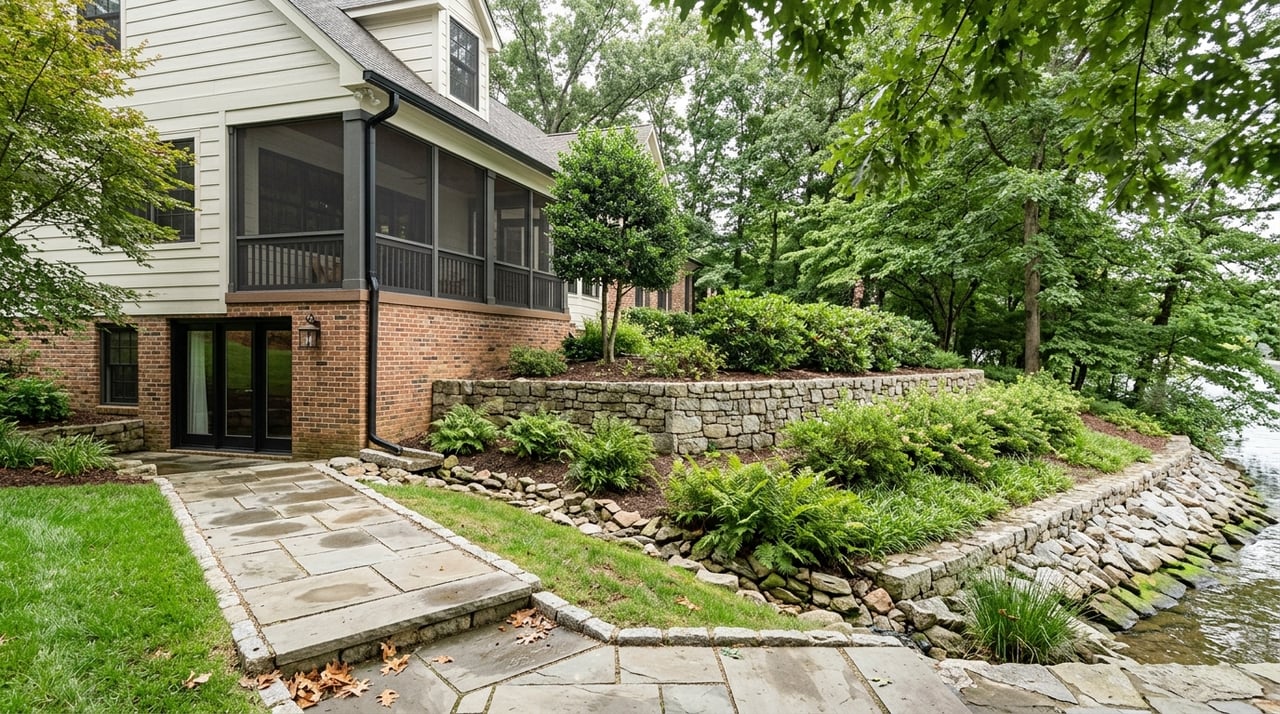
Thinking about buying a waterfront home in Granite Falls? The view can be the easy part. The harder part is knowing whether the shoreline, dock, flood risk, and long-term upkeep match the lifestyle and budget you want. If you are considering lake property in the 28630 area, this guide will help you look past the pretty photos and focus on what really matters before you buy. Let’s dive in.
Why Granite Falls draws waterfront buyers
Granite Falls sits in southern Caldwell County and borders Lake Hickory on its southern end and Lake Rhodhiss on its western side. That setting gives you access to a lake-centered lifestyle that feels connected to everyday living, not just occasional vacation time.
The town and county both highlight local recreation tied to the water. Lakeside Park on Lake Rhodhiss includes trails, a fishing deck, picnic space, and waterfront views, while Caldwell County points to boating on Lake Hickory as part of local life. For many buyers, that means you can enjoy the benefits of the lakes whether you want a full waterfront property or simply want to be near the water.
Understand the difference between waterfront and water view
Not every home marketed near the lake offers the same value or the same responsibilities. A true waterfront lot may include shoreline access, space for a dock or pier, and more direct interaction with the water. A water view property may still offer scenic appeal without the same shoreline obligations.
That difference matters for both pricing and due diligence. The research shows local waterfront listings and overall home sales can behave very differently, which means you should avoid broad assumptions about value. In Granite Falls, one home’s price can reflect frontage, shoreline usability, view quality, and water conditions just as much as square footage.
Why like-for-like comparisons matter
When you compare properties, try to match homes by more than just size and condition. On lake property, the details of the lot often carry major weight.
Look for comparable homes with similar features such as:
- The same lake
- Similar shoreline type
- Similar dock or pier access
- Similar flood exposure
- Similar view quality
- Similar level of shoreline usability
A lakefront home on a usable lot may not compare well to a steep lot with limited access, even if both sit on the same body of water. That is one reason waterfront buying in Granite Falls calls for a more careful, parcel-by-parcel review.
Know the rules for docks and shoreline work
One of the biggest surprises for waterfront buyers is that owning the property does not automatically mean you can change the shoreline however you want. Because Lake Hickory is part of Duke Energy’s Catawba-Wateree system, shoreline activity is regulated.
According to Duke Energy, projects such as dock and pier work, shoreline stabilization, dredging, excavation, and similar improvements require prior approval. Applications may also require items such as a registered survey, plan and profile drawings, county or local building permits, and a state shoreline-stabilization permit.
Why permits matter before you close
This is not just an issue for future renovations. It also matters for existing improvements that are already on the property. If a dock, retaining wall, shoreline grading project, or other waterfront feature was added in the past, you want to know whether it was properly permitted and whether it aligns with current requirements.
In Granite Falls, a zoning permit is required for many common projects, including new homes, additions, decks or porches, pools, storage buildings or carports, signs, and most commercial work. The town also notes that most projects require a Caldwell County building permit as well. For waterfront buyers, that means your review should include both lake system rules and local permit requirements.
Questions to ask about shoreline improvements
Before you move forward on a waterfront purchase, ask for clear documentation on any shoreline-related work. This can save you from expensive surprises later.
Consider asking:
- Is the property truly lakefront or only a water view lot?
- Is there a dock or pier, and was it approved?
- Has shoreline stabilization work been completed?
- Were retaining walls, grading, or erosion repairs permitted?
- Are there records that show the improvements match current requirements?
If the answers are unclear, that is a sign to slow down and investigate further.
Review flood risk by address, not by assumption
Many buyers make the mistake of treating flood risk as a neighborhood-wide issue instead of an address-specific one. On waterfront property, that can be a costly shortcut.
Caldwell County’s flood ordinance is designed to reduce losses from flood conditions and water or erosion hazards. It also specifically aims to make sure buyers know when a property is in a Special Flood Hazard Area. That means flood review should be part of your due diligence from the start.
What to check on a specific parcel
A good waterfront review starts with the actual parcel, not the broader area. Official flood mapping and state flood information can provide a clearer picture of possible exposure, insurance implications, and mitigation opportunities.
For a Granite Falls waterfront purchase, review:
- Whether the parcel is in a Special Flood Hazard Area
- Whether flood insurance may be required or advisable
- Whether the property shows potential structural or contents impact risk
- Whether there are mitigation opportunities worth considering
If a flood map appears inaccurate, there may be a process to question it, but that should be reviewed carefully and early. Caldwell County’s ordinance references FEMA’s Letter of Map Amendment process in some cases, and FEMA advises owners to contact the local floodplain administrator before making changes to a home.
Flood insurance is not the same as homeowners insurance
This point catches many buyers off guard. In North Carolina, standard homeowners insurance does not cover flood damage. The North Carolina Department of Insurance states that flood coverage is available through the National Flood Insurance Program, and it can cover direct flood-related damage, including certain mudslide and erosion damage.
Timing matters too. The state notes there is generally a 30-day waiting period before flood coverage takes effect. If you are buying a waterfront home in Granite Falls, this is one of those details that is much easier to sort out before closing than after a storm event is on the radar.
Seller disclosures matter more than ever
North Carolina requires a residential property disclosure statement, and beginning in 2024, sellers must also disclose prior flood damage. For buyers, that creates an important paper trail to review alongside inspections, insurance quotes, and any visible signs of past repairs.
If a home has had prior flood issues, erosion work, or shoreline stabilization projects, you want to understand what happened, what was repaired, and whether the fix was documented properly. That information can affect both cost and peace of mind.
Watch for erosion and shoreline maintenance
A waterfront lot is not just a scenic setting. It is also an edge condition that can require upkeep over time. Shoreline erosion should be treated as a regulated maintenance issue, not just a cosmetic concern.
Duke Energy treats shoreline stabilization as a formal project, and North Carolina’s water resources process also includes an application path for shoreline stabilization. That means signs of erosion, bank wear, or prior stabilization work deserve close attention during your review.
What erosion can affect
Erosion can influence more than the look of the lot. It can affect use, safety, maintenance costs, and future project planning.
Pay attention to factors such as:
- The stability of the shoreline
- Evidence of prior repairs
- Whether stabilization work appears engineered or informal
- The condition of retaining features near the water
- How easy or difficult the lot may be to maintain over time
A beautiful lot that needs ongoing shoreline work may still be the right choice for you, but only if you understand that responsibility upfront.
Match the property to your lifestyle
The right waterfront home is not always the one with the most dramatic shoreline. It is the one that fits how you actually plan to live.
In Granite Falls, some buyers want a primary residence with boating or weekend recreation built into daily life. Others want a second home where convenience matters most, including easy access, simpler maintenance, and enough parking for guests or gear. The right fit depends on whether you want direct frontage, a view, lower maintenance, or a mix of all three.
Waterfront may not always be the best answer
A water view home can sometimes offer a better balance of cost, simplicity, and enjoyment. Based on the local permit and flood framework, water view properties may avoid some of the permitting burden, maintenance responsibilities, and shoreline-related issues that can come with true frontage.
That does not make one option better than the other across the board. It just means your decision should be based on how much direct water access you will actually use and how much upkeep you are comfortable managing.
A practical Granite Falls buying checklist
If you are serious about buying waterfront property in Granite Falls, keep your review focused on the details that affect ownership the most.
Use this checklist as a starting point:
- Confirm whether the property is true waterfront or water view
- Verify any dock, pier, or shoreline improvements
- Review zoning and building permit history where applicable
- Check parcel-specific flood information
- Ask about prior flood damage disclosures
- Ask about erosion, stabilization, and shoreline repairs
- Review any HOA disclosures if the property is in a planned community
- Compare the home only against similar lake properties
- Consider insurance timing and potential added costs
- Think through maintenance needs, access, and parking
The goal is not to talk yourself out of waterfront living. The goal is to make sure the home you choose delivers the experience you want without avoidable surprises.
If you want expert help comparing waterfront options in Granite Falls, sorting through lakefront versus water-view tradeoffs, or reviewing what matters most before you make an offer, Hernan Espiritu can help you move forward with clear, practical guidance.
FAQs
What should you verify before buying a waterfront home in Granite Falls?
- You should verify whether the property is true waterfront or water view, review any dock or shoreline permits, check parcel-specific flood information, and ask about prior flood damage or erosion repairs.
What permits matter for Granite Falls waterfront property?
- Waterfront buyers should pay attention to Duke Energy approval for shoreline activities and also review Granite Falls zoning permits and Caldwell County building permit requirements where applicable.
What does flood insurance cover for a Granite Falls waterfront home?
- In North Carolina, standard homeowners insurance does not cover flood damage, and separate flood coverage may be needed for direct flood-related losses.
What should you ask about an existing dock or pier in Granite Falls?
- You should ask whether the dock or pier was approved, whether records are available, and whether the existing structure aligns with current Duke Energy and local requirements.
How do Granite Falls water-view homes differ from true waterfront homes?
- Water-view homes may offer lake scenery with fewer shoreline obligations, while true waterfront homes often bring added permitting, flood, insurance, and maintenance considerations.